General ArticlesBash: Display Date and Time In a Specific FormatBy RahulDecember 19, 2022To display the current date and time in a specific format in Bash, you can use the date command. The…
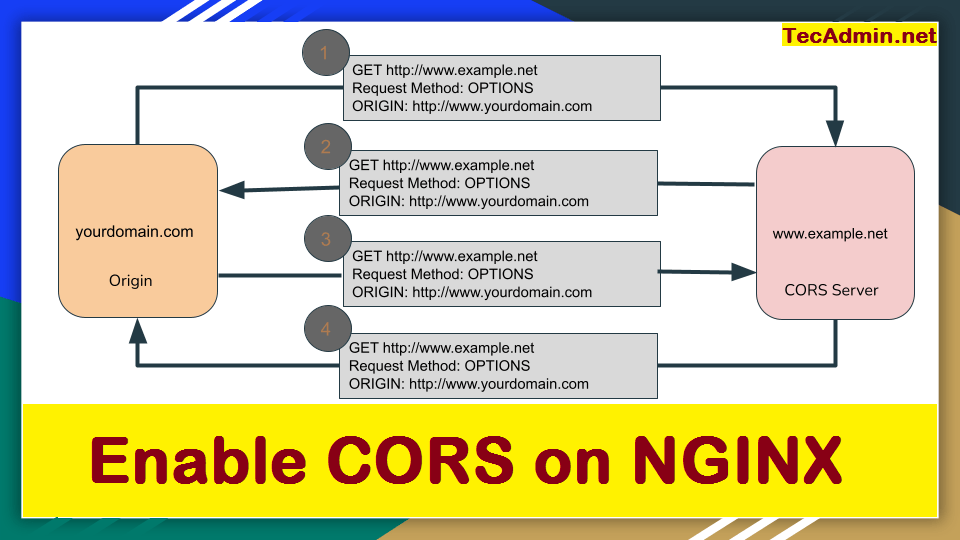
NginxHow to Enable CORS in NginxBy RahulDecember 16, 2022Cross-Origin Resource Sharing (CORS) is an important security feature for web applications. It allows web applications to use resources from…
Bash ShellEfficiently Reading a File Line by Line in a Shell ScriptBy RahulDecember 16, 2022Reading a file line by line is a common task in many shell scripts, as it allows you to process…
General ArticlesHow to Generate SPF Records for Your DomainBy RahulDecember 15, 2022When you add an SPF record to your domain, it helps indicate whether your email is being spoofed or not.…
General ArticlesHow to Display Output in the Same Line in PythonBy RahulDecember 13, 2022When writing a Python script, there may be instances where you want to display output in the same line instead…
PythonHow to Declare a Variable in PythonBy RahulDecember 13, 2022In Python, a variable is a named location in memory where you can store and access data. Variables are used…
General ArticlesPostfix: Sending Emails From External SMTP ServersBy RahulDecember 12, 2022If you’re managing a Linux server, you may be wondering how to configure Postfix to send emails from external SMTP…
PostfixPostfix: Configure SASL Authentication for Remote SMTPBy RahulDecember 11, 2022Postfix SASL Authentication is one of the most popular methods for remote SMTP authentication. It’s a secure, reliable, and highly…
General ArticlesRelaying Outgoing Emails Based on Sender Address in PostfixBy RahulDecember 9, 2022Do you want to send out emails from different senders to different places? You can do this now! Just set…
General ArticlesHow to limit directory depth with find commandBy RahulDecember 6, 2022The ‘find’ command with -maxdepth is a powerful tool in the Linux operating system. It is used to recursively search…