MySQLHow to Check MySQL Database & Tables SizeBy RahulJuly 29, 2015MySQL is a Relational Database Management System, widely used as a database system for Linux systems. This article will help…
Linux TutorialsHow to Clear Cached Memory in LinuxBy RahulJuly 26, 2015In the world of Linux, efficient system performance is a key objective for administrators and users alike. A critical aspect…
PHPHow To Install PHP Composer on Ubuntu 18.04 & 16.04By RahulJuly 25, 2015The PHP Composer is a package management tool for PHP similar to NPM for Nodejs and bundle for Ruby. Using…
Linux TutorialsHow to Add Swap on CentOS, RHEL and Scientific LinuxBy RahulJuly 23, 2015When a system runs out of memory, the operating system will begin to swap or page out memory pages to…
Linux TutorialsHow to Add Swap Space in Ubuntu 18.04By RahulJuly 23, 2015Swap is very useful for that system which required more RAM that physical available. If memory is full and system…
MariaDBHow to Remove/PURGE BINARY LOGS in MySQL & MariaDBBy RahulJuly 22, 2015Binary log files contains data about modification’s make by MySQL server. You can see there are multiple binary files will…
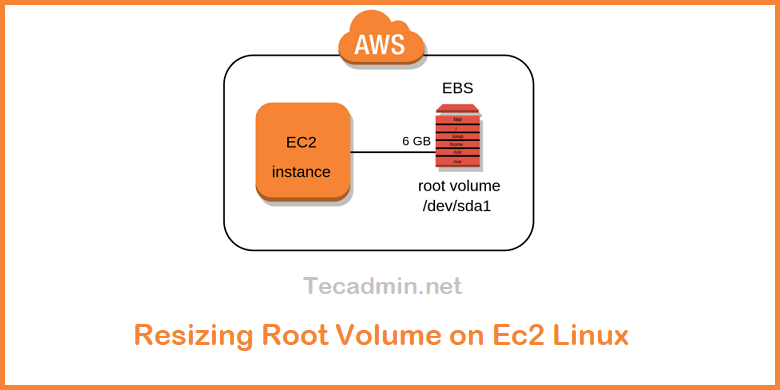
AWSHow to Resize the Root Partition on AWS Linux InstancesBy RahulJuly 21, 2015In the fast-paced world of cloud computing, the ability to dynamically adjust resources to meet the evolving needs of applications…
SecurityHow to Deny/Allow Access for Users & Groups in OpenSSHBy RahulJuly 21, 2015For security purposes many times we required to restrict or allow for SSH access for specific Users or Groups. To…
Linux CommandsRsync Command in Linux With 12 Practical ExamplesBy RahulJuly 17, 2015Rsync (Remote Sync) is a command-line tool for synchronizing files between two Unix-based systems. Rsync can also be used on…
RubyHow to Manage Database in ROR using Rake CommandsBy RahulJuly 16, 2015Rake provides an efficient way for managing database changes. We can easily migrate database changes to servers using command line…