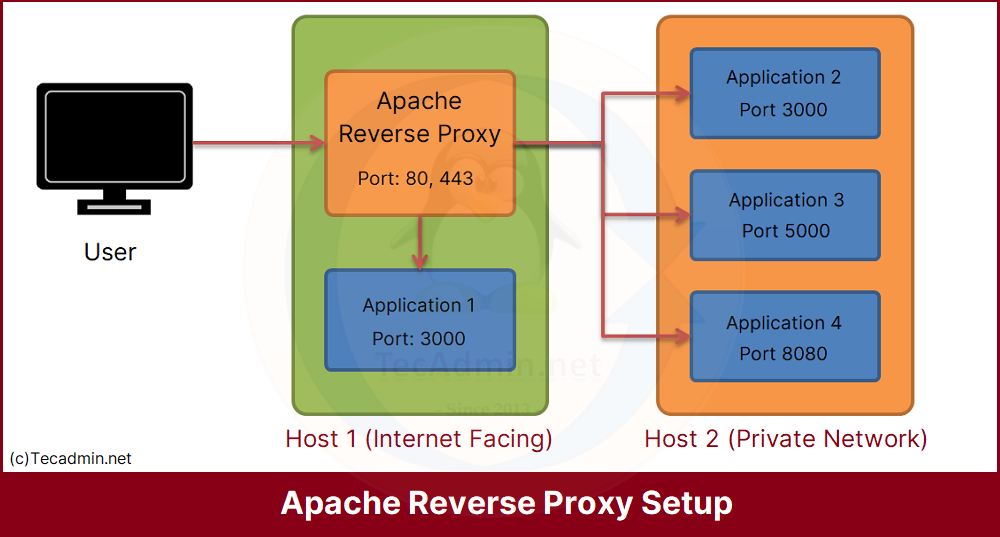
ApacheHow to Configure Apache as a Reverse Proxy ServerBy RahulMay 20, 2024Configuring Apache as a reverse proxy means setting up Apache to listen and direct web traffic to backend servers or…
ApacheSetting Up ‘Upgrade-Insecure-Requests’ in ApacheBy RahulDecember 9, 2023Ensuring the security of a website is crucial in today’s digital age. One effective way to enhance web security is…
Web ServersHow to Install Apache with PHP-FPM on Ubuntu 22.04By RahulFebruary 26, 2023Apache and PHP-FPM are both widely used in web development to serve dynamic content. While Apache is the most popular…
Web ServersConfiguring Nginx to Handle 100 Thousands Request Per MinuteBy RahulFebruary 21, 2023In today’s fast-paced digital world, businesses need to be able to handle large amounts of web traffic to stay competitive.…
ApacheAn Introduction to Apache MPM (Multi-Processing Modules)By RahulFebruary 9, 2023Apache is a popular open-source HTTP server that is widely used to host websites and applications on the Internet. The…
Web ServersHow to Install Apache (httpd) on RHEL & CentOS Stream 9By RahulFebruary 8, 2023Apache is one of the most popular open-source web servers available today, offering a robust set of features and high…
Web ServersHow to Install LAMP Stack on CentOS & RHEL 9By RahulFebruary 8, 2023LAMP is a popular open-source web development platform that stands for Linux, Apache, MySQL, and PHP. This acronym represents the…
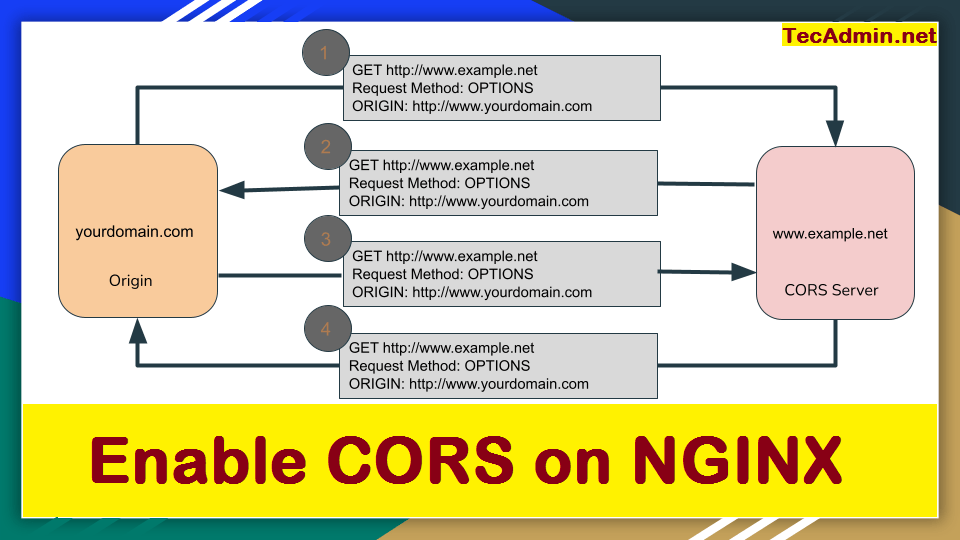
NginxHow to Enable CORS in NginxBy RahulDecember 16, 2022Cross-Origin Resource Sharing (CORS) is an important security feature for web applications. It allows web applications to use resources from…
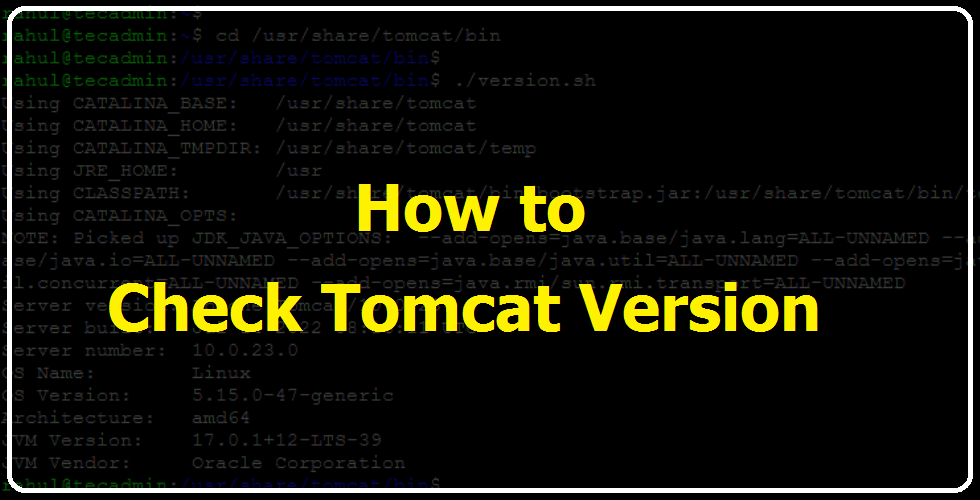
TomcatHow to Check Tomcat Version on LinuxBy RahulSeptember 8, 2022Q. How do I find the installed Tomcat version on a Linux system? Tomcat installation directory contains an shell script…
ApacheSimple Redirects with .htaccessBy RahulAugust 15, 2022Google Chrome is one of the most widely used web browsers in the world. Unfortunately, that also means that a…